
 Business License

How To Cut Makeready Time On Semi-Automatic Carton Printer Slotter Die Cutter
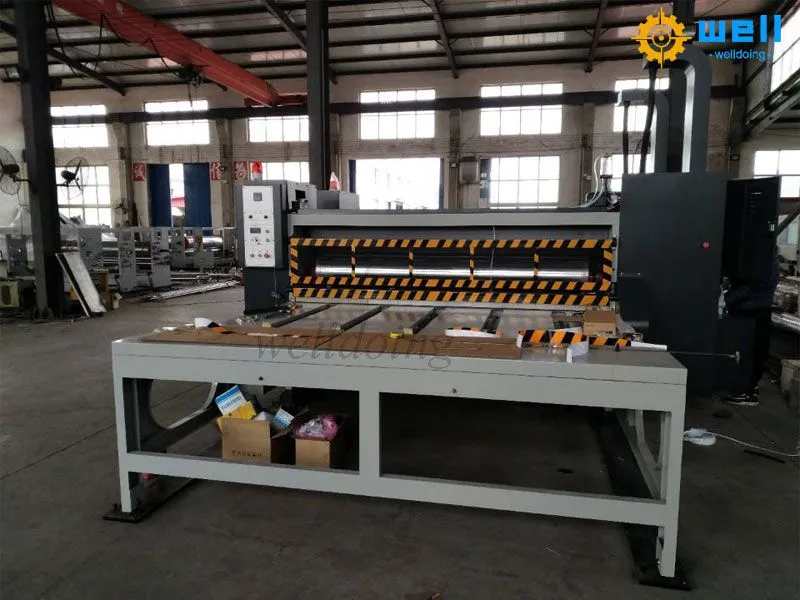
Corrugated carton converters running semi-automatic printer slotter die cutters know this pain well: slow makeready kills productivity, especially when order batches keep getting smaller and job changeovers happen more frequently. Unlike fully automatic models, semi-automatic carton printer slotter die cutter balances affordable investment and flexible production — but its biggest bottleneck is long manual setup between jobs.
If you are losing hours every week on plate mounting, registration, slotting adjustment, die setting and pressure tuning, this guide shares actionable strategies to cut makeready time without replacing your existing machine.
Why Makeready Drains Profit on Semi-Automatic Carton Printer Slotter Die Cutter
Makeready covers all setup work: plate installation, ink preparation, front/side lay calibration, slotting knife positioning, die mounting, impression pressure adjustment, test runs and first-piece approval. On semi-automatic units, most of these steps rely on manual tuning.
Common time-wasters include:
Searching for printing plates, dies and stripping accessories during machine stop
Repeated test sheets for print registration and die cut alignment
No standardized parameter records for repeat jobs
Unplanned cleaning, worn blades or damaged die rules discovered after locking the machine
Poor job sequencing that jumps between totally different carton sizes and board grades
Every extra minute of makeready adds scrap, eats machine available time and reduces your OEE for corrugated box production.
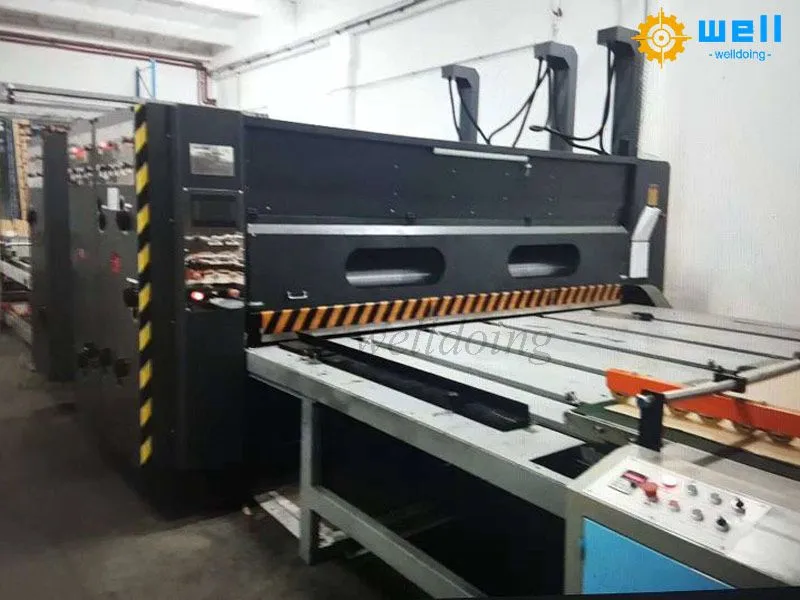
1. Apply SMED: Split Internal and External Makeready Tasks
SMED (Single-Minute Exchange of Die) is the fastest win for semi-automatic carton printer slotter die cutter operators. The core rule: move as much work as possible to external makeready, done while the machine is still running the current job.
✅ External tasks (offline preparation):
Pre-mount flexo plates on plate cylinders with registration marks
Inspect die cutting rules, ejection rubber and stripping pins; repair or replace damaged tools
Prepare matched anilox rolls, ink batches and viscosity test
Sort corrugated board stacks, confirm board flute type and thickness
Pull saved job sheets with pressure, lay position and slot dimension data
Organize all changeover tools on a dedicated setup cart
✅ Internal tasks (only when machine stops):
Swap plate cylinders, slotting heads and die frame
Quick alignment, lock positions and run limited test samples
Many carton plants cut makeready by 30%–50% just by separating these two task groups and training operators on the routine.
2. Build and Store Repeat Job Recipes
Semi-automatic machines do not have full auto-recall like high-end servo presses, but you can build your own digital recipe library for regular SKUs.
Record for every stable job:
Front lay, side lay and feed guide positions
Printing impression pressure for each color station
Slotting wheel gap, creasing depth and knife offset
Die cutting pressure and centerline position
Suitable anilox roller and ink viscosity
Save these sheets on your tablet or control panel folder. When the same order returns, operators reset based on documented numbers instead of blind trial and error. Fewer test sheets mean less board waste and faster first good carton.
3. Upgrade to Quick-Change Tooling Kits
Many older semi-automatic carton printer slotter die cutters come with standard fixed die frames and bolt-on slotting blades. Upgrading low-cost quick-change accessories delivers fast ROI:
Quick-lock die frames with centerline locating pins for fast, repeatable die positioning
Pre-mounted die boards ready for direct loading
Quick-release slotting and scoring blade assemblies, reduce bolt adjustment time
Standardized plate mounting jigs for consistent plate position offline
These upgrades keep your original machine frame but remove the slowest manual adjustment steps, perfect for converters handling frequent size changes.
4. Optimize Job Scheduling Sequence
The order you run jobs heavily affects total makeready load. Group jobs by similarity:
Run same board flute / thickness together
Group orders sharing same color set or same die outline
Arrange size change from small to medium, avoid jumping between tiny retail boxes and large shipping cartons back and forth
Good sequencing reduces full teardown of printing, slotting and die stations, sometimes you only adjust feed position and pressure instead of swapping all tools.
5. Standardize Preflight and Pre-Inspection Routine
Lots of setup delays come from prepress errors or damaged parts found after setup starts. Build a simple preflight checklist before releasing jobs to the machine:
Check plate art, registration marks and plate thickness consistency
Verify die drawing matches carton blank dimension
Check slotting blades, crease wheels and cutting rules for wear or nick damage
Confirm ink formula matches substrate to avoid color rework on press
Preflight catches mismatches early, so you do not waste machine makeready time fixing prepress mistakes.
6. Maintain Machine in Good Condition to Avoid Hidden Setup Delays
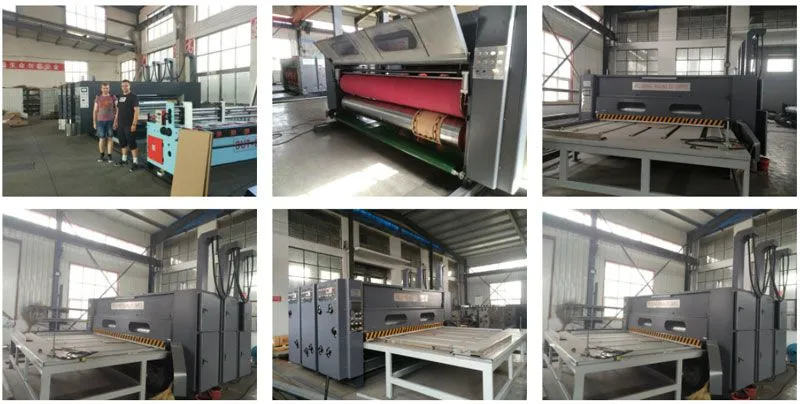
A loose feed chain, worn guide rollers, sticky adjustment screws or uneven gear clearance will make every setup harder and slower. Stick to a preventive maintenance plan:
Clean ink trays, impression rollers and die cutting cylinders daily
Lubricate adjustment screws, guide rails and transmission parts as manual instructed
Replace worn feed rollers, slotter blades and die rubber regularly
Check registration synchronization between printing, slotting and die cutting units weekly
A well-maintained semi-automatic carton printer slotter die cutter holds settings steadily, so your adjustments stay consistent between test sheets.
7. Train Operators on Standard Operating Procedure
Makeready inconsistency often comes from different operators following different habits. Write a clear, visual SOP for changeover: fixed step order, defined test sheet quantity and acceptance criteria. Cross-train your team so more than one operator can complete setup correctly.
Track baseline makeready time for each job type, then measure improvements after you roll out new workflows. Target continuous small gains instead of one big overhaul.
Final Thought
Semi-automatic carton printer slotter die cutter remains the most cost-effective choice for mid-size corrugated box factories with mixed small and medium runs. You do not need to buy fully automatic equipment to beat slow makeready. With SMED offline prep, job recipe management, quick-change tooling, optimized scheduling and solid maintenance, most converters can shrink average makeready time dramatically, cut startup waste and raise daily output.
If you are sourcing a new semi-automatic carton printer slotter die cutter, prioritize models with quick-change die frames, digital position readouts and servo fine adjustment options — these built-in features make your makeready optimization much easier from day one.
FAQ
Q: How much makeready time can I reduce on semi-automatic printer slotter die cutter?A: With full SMED implementation and recipe management, many packaging plants achieve 25%–50% makeready reduction. The biggest gains happen for shops relying fully on manual trial-and-error adjustment.
Q: Is quick-change die frame expensive to retrofit?A: Compared to upgrading to a fully automatic line, quick-change die frames and plate jigs are low-cost retrofits with fast payback from saved board waste and extra production capacity.
Q: Does this workflow work for both color printing and simple single-color carton jobs?A: Yes. The same offline prep, job recording and inspection rules apply, multi-color jobs benefit even more because registration and ink tuning normally take the largest share of makeready.
Recently Posted
-
Why Corrugated Converters Switch to Fully Automatic Partition Assembler Machine
November 21, 2026For decades, corrugated converters have relied on manual labour to assemble carton partitions, dividers and grid inserts. Operator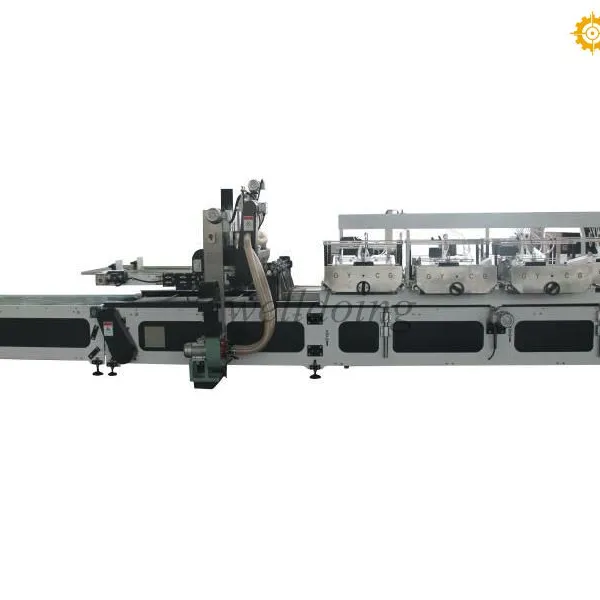 Read More
-
Automatic Paper Angle Board Machine: A Complete Solution for Eco-Friendly Edge Protector Production
November 20, 2026Global supply chains are shifting toward sustainable, damage-free packaging solutions, and paper angle boards (also known as paper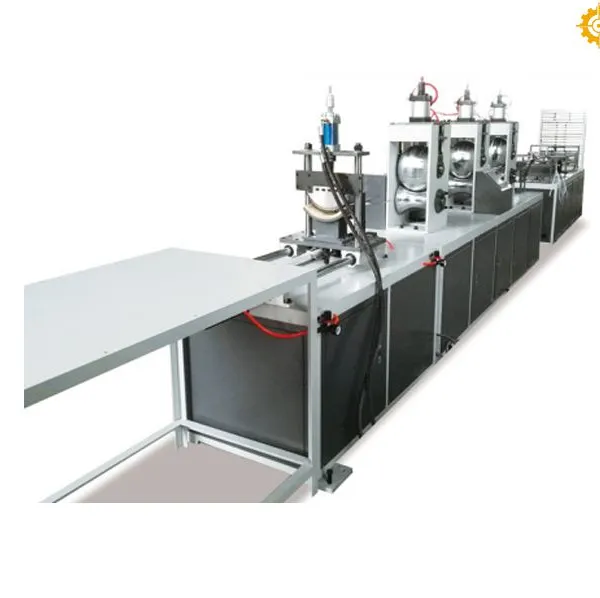 Read More
-
How Composite Hardboard Is Made | Full Automatic Hardboard Production Line
November 19, 2026Composite hardboard, also widely known as multi-ply grey hardboard, is a rigid, flat, high-density board formed by laminating mult Read More
-
How Paper Edge Protector Machine Reduces Pallet Cargo Damage In Export Shipping
November 18, 2026For exporters, ocean freight and intermodal logistics carry hidden risks that can turn a profitable shipment into costly claims. P
Read More

Contact Us
Recommended Products
-
 Corrugated Printing Ink Sewage ProcessorUS$ 2000 - 20000MOQ: 1 Set
-
Ink Print Effluent Treatment EquipmentUS$ 2000 - 20000MOQ: 1 Set
-
Ink Sewage Treatment Unit for PrintingUS$ 2000 - 20000MOQ: 1 Set
-
Printing Ink Sewage Purification MachineUS$ 2000 - 20000MOQ: 1 Set
-
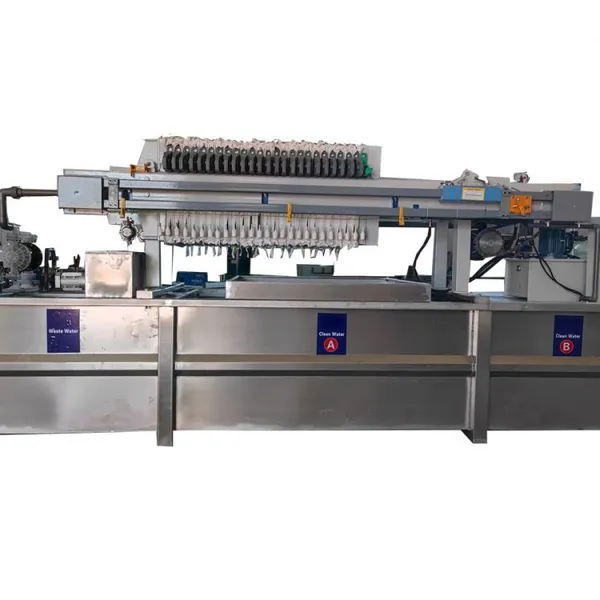
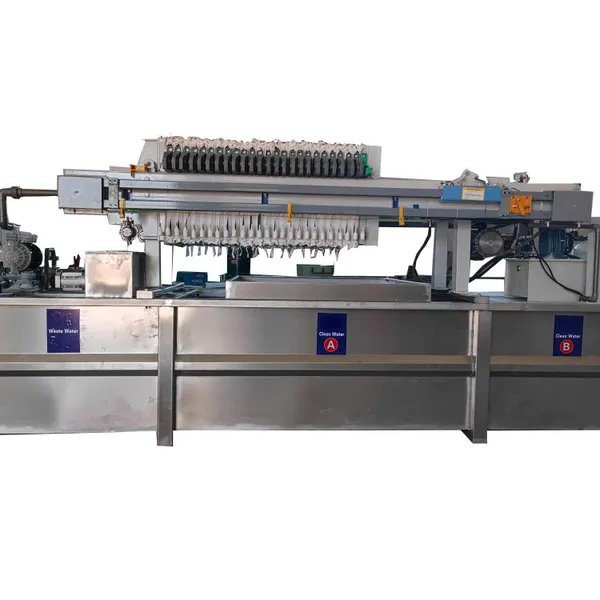
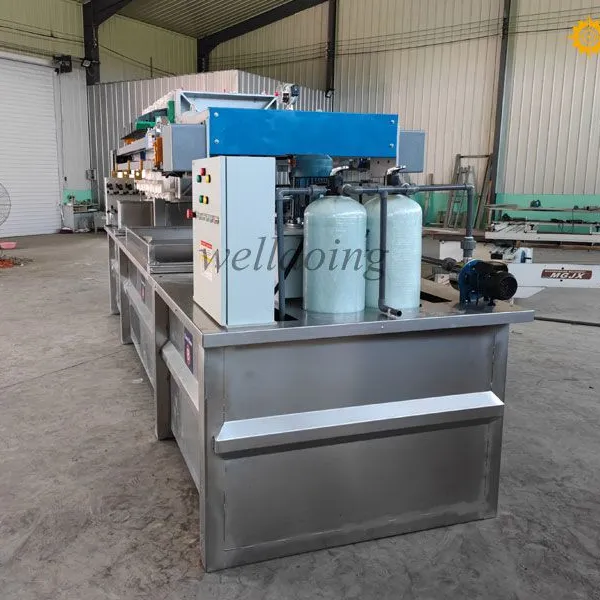
Ink Print Waste Water Treatment MachineUS$ 2000 - 20000MOQ: 1 Set
-
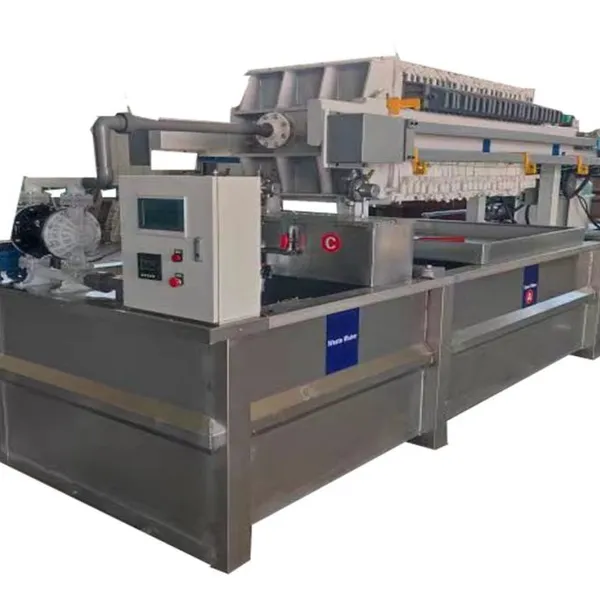
Printing Ink Sewage Treatment SystemUS$ 2000 - 20000MOQ: 1 Set
-
Ink Printing Sewage Treatment MachineUS$ 2000 - 20000MOQ: 1 Set
-
Semi Auto Corrugated Box Printer Die Cutter SlotterUS$ 5000 - 100000MOQ: 1 Set
-
Carton Semi-Automatic Printing Slotting Die CutterUS$ 5000 - 100000MOQ: 1 Set
-
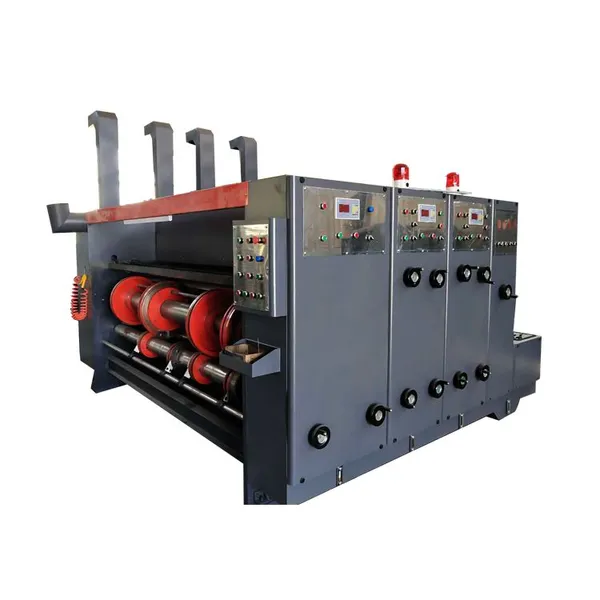
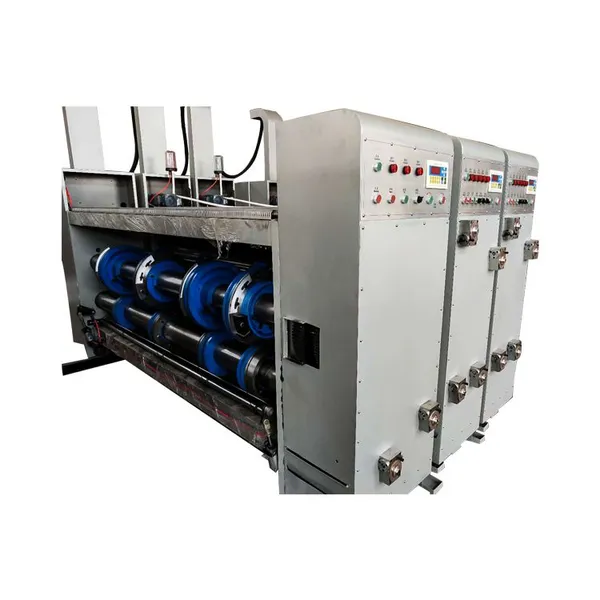
Semi-Automatic Corrugated Carton Printer SlotterUS$ 5000 - 100000MOQ: 1 Set
-
Semi Auto Carton Box Printer Die Cutter SlotterUS$ 5000 - 100000MOQ: 1 Set
-
Semi-Automatic Printer Slotter Die Cutter for CartonsUS$ 5000 - 100000MOQ: 1 Set
-
Semi Auto Carton Printing Slotting Die Cutting MachineUS$ 5000 - 100000MOQ: 1 Set
-
Semi-Automatic Carton Printer Slotter Die CutterUS$ 5000 - 100000MOQ: 1 Set
-
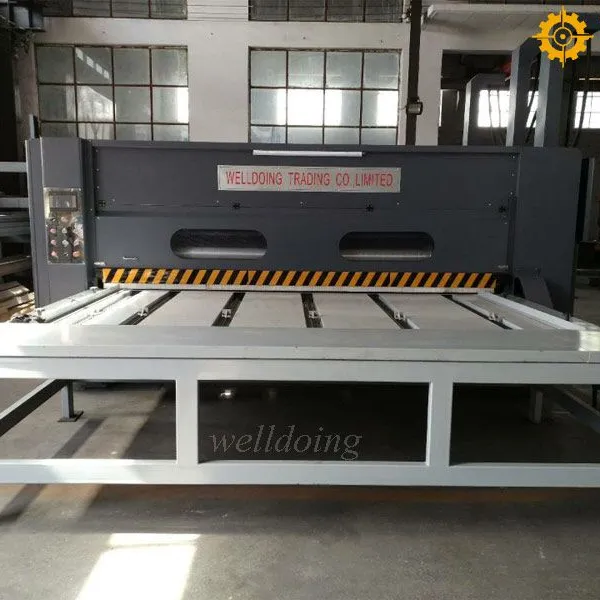
Packaging Paper Tube Making MachineUS$ 5000 - 30000MOQ: 1 Set
-
Servo Paper Tube Winding MachineUS$ 5000 - 30000MOQ: 1 Set
-
Multi-layer Paper Tube Making MachineUS$ 5000 - 30000MOQ: 1 Set
-
Efficient Paper Tube Forming MachineUS$ 5000 - 30000MOQ: 1 Set
-
Automatic Paper Core Tube MachineUS$ 5000 - 30000MOQ: 1 Set
-
Industrial Paper Tube Production MachineUS$ 5000 - 30000MOQ: 1 Set